
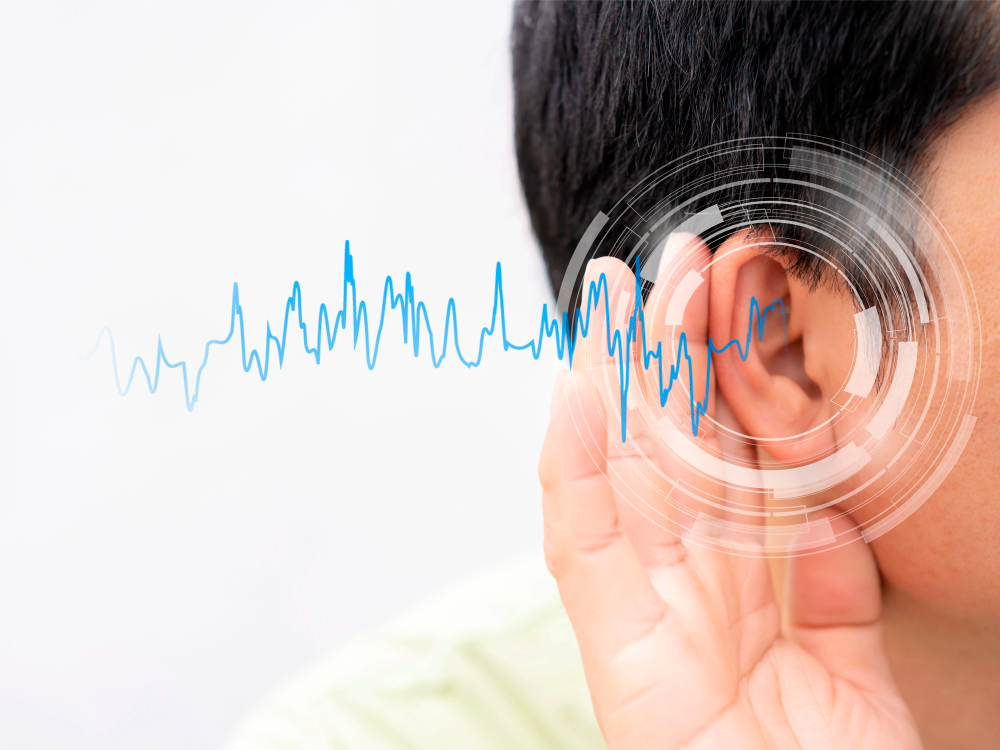
Hearing loss is a condition that affects millions of people worldwide. It can occur gradually or suddenly, and its causes vary widely. Understanding the reasons behind hearing impairment is crucial for prevention and management. In this article, we will explore the primary causes of hearing loss, the early signs to watch for, and practical steps you can take to protect your hearing.
Common Causes of Hearing Loss
Hearing loss can be categorized into three types: conductive, sensorineural, and mixed. Conductive hearing loss occurs when sound waves cannot travel through the outer or middle ear, often due to infections, fluid, or a blocked ear canal. Sensorineural hearing loss, the most common type, involves damage to the inner ear or the auditory nerve and is usually permanent. Mixed hearing loss is a combination of both.
- Aging (Presbycusis)
As we age, the structures in the ear naturally wear down, leading to gradual hearing loss. Presbycusis typically affects both ears and is caused by changes in the inner ear or auditory nerve. - Loud Noise Exposure
Prolonged exposure to loud sounds—such as at concerts, construction sites, or factories—can cause irreversible damage to the hair cells in the inner ear, leading to noise-induced hearing loss. Even occasional exposure to very loud sounds, like gunshots or fireworks, can cause permanent damage. - Genetics
Hearing loss can also be inherited. Genetic factors can cause hearing impairment at birth or later in life. Some genetic conditions, like Usher syndrome, lead to both hearing and vision loss. - Infections and Diseases
Certain infections, such as ear infections, meningitis, and rubella, can cause hearing loss. Additionally, illnesses like diabetes, high blood pressure, and stroke can affect the auditory system, leading to gradual hearing impairment. - Ototoxic Medications
Some medications, known as ototoxic drugs, can damage the auditory nerve or inner ear. Common medications like certain antibiotics, chemotherapy drugs, and high doses of aspirin can be harmful to hearing.
Prevention and Early Detection
Although some causes of hearing loss, like aging or genetics, are unavoidable, others are preventable. Regular hearing tests, especially if you are regularly exposed to loud environments, can help detect early signs of hearing impairment. Wearing ear protection in noisy settings and avoiding prolonged exposure to loud sounds can significantly reduce the risk of noise-induced hearing loss.
Conclusion
Hearing loss is a complex condition with a variety of causes. While some factors are beyond our control, there are many ways to protect and preserve our hearing. Understanding the causes of hearing loss and taking proactive steps to protect our hearing can help maintain quality of life and prevent unnecessary impairment.