
Advancements in technology have revolutionized the lives of people with hearing loss, making communication easier and more accessible. From hearing aids to cochlear implants and smartphone apps, these innovations have provided hope for millions of individuals. In this article, we will explore some of the most exciting technological developments that are improving the quality of life for those with hearing impairments.
Hearing Aids: The Evolution of Sound
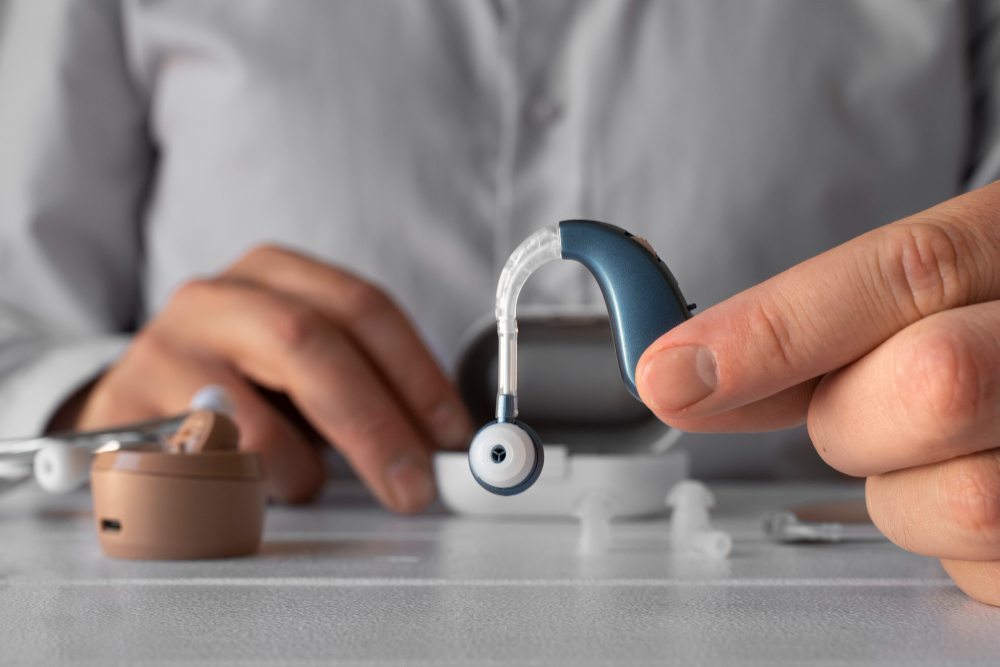
Hearing aids have come a long way from the bulky devices of the past. Modern hearing aids are small, discreet, and packed with advanced features. They use digital technology to amplify sounds and filter out background noise, making it easier for individuals with hearing loss to hear conversations in noisy environments.
Some hearing aids even connect to smartphones, allowing users to adjust settings, stream music, and take calls directly through the device. Rechargeable batteries, which eliminate the need for frequent battery changes, are also becoming more common in newer models.
Cochlear Implants: Restoring Hearing for Severe Loss
For individuals with profound hearing loss, cochlear implants offer a potential solution. Unlike hearing aids, which amplify sound, cochlear implants bypass damaged portions of the ear and directly stimulate the auditory nerve. This allows individuals who cannot benefit from traditional hearing aids to perceive sound.
Cochlear implants have been proven to significantly improve communication and speech comprehension in many individuals, and advancements in technology continue to enhance their effectiveness.
Smartphone Apps: Empowering Communication
The rise of smartphones has brought about a new wave of apps designed to assist individuals with hearing loss. These apps can provide real-time captioning, enable video calls with sign language interpreters, and even use speech-to-text technology to transcribe conversations instantly. Some apps also allow for personalized sound adjustments based on the user’s specific hearing needs.
Assistive Listening Devices and Captioning
In addition to hearing aids and cochlear implants, various assistive listening devices (ALDs) can improve communication in specific situations. FM systems, infrared systems, and induction loop systems amplify sound in public spaces such as theaters, churches, and classrooms.
Captioning services are also becoming more widespread, providing text-based translations of spoken words in real time for individuals with hearing loss. This technology is now commonly used in movies, TV shows, and even live events.
Conclusion
Technology has had a profound impact on the lives of individuals with hearing loss, enabling them to communicate more effectively and enjoy a better quality of life. From advanced hearing aids to cochlear implants and smartphone apps, innovations in technology continue to push the boundaries of what’s possible. With ongoing advancements, the future looks bright for those with hearing impairments.